
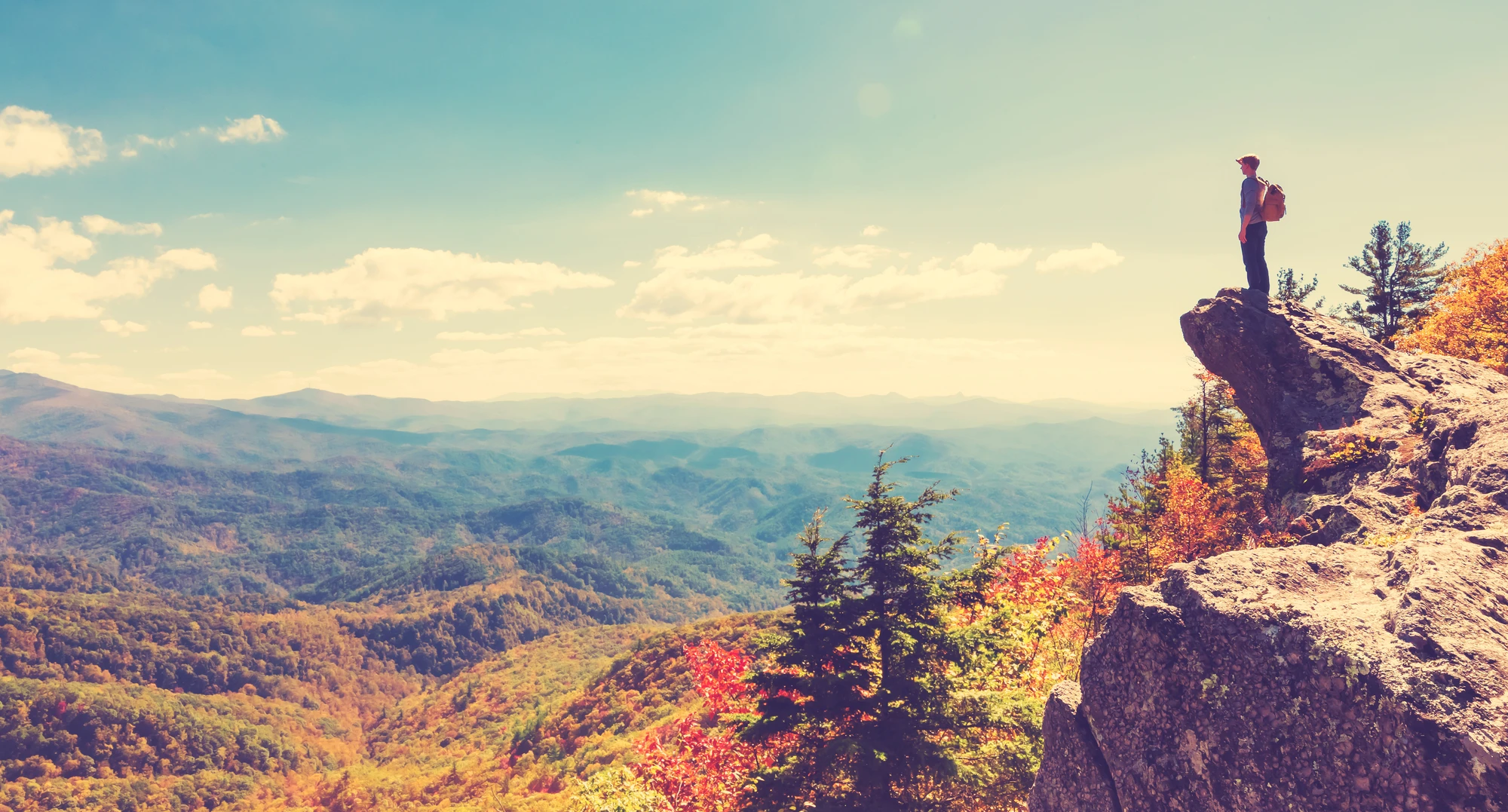
Great Smoky Mountains
The Great Smoky Mountains around Gatlinburg stitch together ridge hikes, waterfall walks, and scenic drives you can stack into active long weekends. Pair sunrise viewpoints with afternoon waterfall swims or a slow evening in Cades Cove; book lodging in Gatlinburg and plan early starts to avoid crowds and afternoon storms.
"Ancient ridgelines, fog-shrouded valleys, and waterfall-thronged trails that reward early mornings and careful planning."
Alle avonturen
Bootcharters
Wateractiviteiten
Start with the classic hits: morning ridge hikes for panoramic views, mid-day waterfall hikes that end in cool rock slabs, and late-afternoon scenic drives along the park’s curving roads. Add a guided backcountry overnight or a family-friendly valley loop, and in summer slide into river tubing or lower-elevation paddling nearby. Gatlinburg also functions as an adventure hub for ziplining, interpretive nature walks, and culinary pit stops—think stacked active days and authentic mountain town evenings.
Why Visit the Great Smoky Mountains
Fog rolls through the hardwoods and the ridgelines hold long views across layered blue mountains; the Smokies feel older than the rest of the country. Here you can move from an accessible waterfall walk to a remote, high-country ridge in a single day if you plan carefully and start before the sun pushes up the valley mists.
Geology and history are woven into every switchback. The Smokies are some of the oldest mountains in North America, their rounded summits and soil-rich coves shaped by millions of years of weather and forest growth. Human history sits beside that deep time: former logging roads have become hiking routes, and small mountain communities left stone chimneys and stories in hollowed valleys. That mix—ancient rock, resilient forests, and lived-in cultural pockets—gives the landscape texture and practical access points for adventure.
Planning here is part logistics, part timing. Trails are layered by elevation: lower coves fog in late spring, mid-elevation waterfalls offer reliable flow after wet weather, and higher ridgelines open for expansive views but cool quickly. Summer brings thunderstorms that nudge hikers off exposed ridgelines by mid-afternoon; fall brings the busiest crowds for leaf-peeping and the clearest long-range visibility. To stack experiences, book lodging in Gatlinburg or nearby towns, plan sunrise ridge hikes, then chase waterfalls or valley loops once the light lifts and the busier hours ramp up.
Culture and service sit tight to the park’s edges. Gatlinburg and nearby towns provide the practical cushioning—gear shops, shuttle options, guided hikes, and outfitters who run river trips and zipline courses. Local etiquette matters: yield to uphill hikers, pack out what you pack in, and be bear-aware—wildlife will test disappearances of food and scent. With basic preparation—maps, layered clothing, and a conservative itinerary—you can move from short family-friendly walks to serious overnight backpacking in a single trip.
Quick Facts
- Primary activities: hiking, waterfall viewing, scenic drives, wildlife watching, guided backcountry trips.
- High-elevation ridgelines are cooler and windier than valley floors—dress in layers.
- Park access is best from Gatlinburg for eastern trailheads and from Townsend for quieter entrances.
- Peak crowds occur in fall leaf season and summer weekends—book lodging and guided trips early.
- Many waterfall trails are best after wet weather; trail mud can be a factor in spring.
- Wildlife is active year-round; store food properly and follow bear-safety guidance.
Essential
- Layered clothing for variable mountain weather
- 2+ liters of water and snacks
- Sturdy traction footwear (hiking boots or trail shoes)
- Sun protection (hat, sunscreen, sunglasses)
- Offline map or GPS and a charged phone
Recommended
- Light rain shell and wind layer
- Headlamp or small flashlight
- Hiking poles for steep descents and muddy trails
- Dry bag or zip-top bags for electronics
Optional
- Binoculars for wildlife and birding
- Action camera or small tripod
- Compact picnic kit
Best Time to Visit Great Smoky Mountains — Gatlinburg
Best Months
Spring and fall offer clear hiking conditions and reliable waterfall flows; summer brings warm valley temperatures and frequent afternoon thunderstorms, while winter is quieter and can be icy at higher elevations.
Peak Season
Peak visitation is typically in October for fall foliage and in summer weekends; expect higher trail and parking demand and plan to start hikes early and reserve lodging in advance.
Off Season Opportunities
Winter and early spring offer lower prices and fewer crowds, but watch for icy or muddy trails and limited services; choose routes less sensitive to mud and verify road access before heading out.
Great Smoky Mountains — Gatlinburg Adventures by Experience Level
Accessible trails and valley loops that emphasize scenery and short effort, suitable for families and casual hikers.
Sample Activities:
- Short waterfall walks with moderate elevation gain
- Scenic drives and roadside overlooks
- Valley loop trails and easy wildlife viewing
Longer day hikes and moderate ridge routes that require fitness, navigation, and good timing around weather.
Sample Activities:
- Mid-elevation ridge hikes with panoramic viewpoints
- Waterfall hikes with uneven terrain and longer approaches
- Guided river trips or nearby paddling excursions
Multi-day backpacking, long ridge traverses, and trips that require route-finding, gear for variable conditions, and wilderness experience.
Sample Activities:
- Backcountry overnight with remote campsite navigation
- Long-distance ridge traverses with steep ascents and exposure
- Winter or shoulder-season high-elevation navigation and bivy trips
Insider Tips
Verify trail and road closures, access conditions, and water levels before travel.
Start hikes before dawn when possible—parking fills fast and mornings often deliver the clearest air and wildlife activity. Weekdays reduce crowds dramatically; if you must go on a weekend, target lesser-known trailheads or arrive early. Have a rain plan: many waterfall hikes are best after rain, but heavy storms can push water levels high and make crossings unsafe. Follow Leave No Trace, yield to uphill hikers, and carry odor-proof storage for food to reduce wildlife encounters. For sunrise or sunset shoots, allow extra time for variable light and parking logistics.
Frequently Asked Questions About Visiting Great Smoky Mountains — Gatlinburg
The Great Smoky Mountains around Gatlinburg, Tennessee, offer a concentrated mix of hiking, waterfalls, scenic drives, and backcountry experiences that attract outdoor travelers year-round. Great Smoky Mountains hiking trails range from short waterfall approaches to demanding ridge hikes that reward early starts with long views. For waterfall hunters, the park provides a series of accessible cascades and stream-fed falls—best after spring rains or summer storms—while scenic drives through the park reveal layered Blue Ridge panoramas and roadside overlooks ideal for photography. Gatlinburg functions as a convenient base for adventure activities: guided waterfall walks, backcountry camping logistics, and nearby paddling or tubing on lower-elevation rivers. While mountain biking is restricted on most park trails, nearby public lands offer riding options for those seeking singletrack outside the national park boundary. Fall leaf-peeping brings peak crowds, so plan accommodations in Gatlinburg early and use midweek starts to avoid congestion. Winter visits are quieter and can showcase frosted ridges, but expect icy sections at higher elevations and limited services. Practical planning—maps, layered clothing, and conservative time estimates—turns a smoky-morning ridge hike into a manageable day that can be stacked with an afternoon waterfall walk or a guided evening wildlife tour. For photographers and serious hikers, combining a sunrise summit with an afternoon in a lush cove creates contrasting light and varied terrain in one trip. If you prefer guided experiences, local outfitters and The Adventure Collective can coordinate gear, guides, and lodging to match ability and interest. Whether you’re chasing waterfalls near Gatlinburg, planning a multi-day backpacking route through the Smokies, or mapping out the best scenic drives through the Blue Ridge foothills, this region delivers layered adventure options and the practical infrastructure to make them happen.
Whether you're searching for a travel agent in Great Smoky Mountains — Gatlinburg, a Tennessee trip planner, or expert guidance for your Great Smoky Mountains, our team is here to help. As specialized outdoor adventure travel agents serving the Great Smoky Mountains — Gatlinburg area, we offer personalized itinerary planning, local expertise, and insider access to the best experiences. Contact a Great Smoky Mountains — Gatlinburg travel agent today for a free consultation.